
Operating In the Modern World
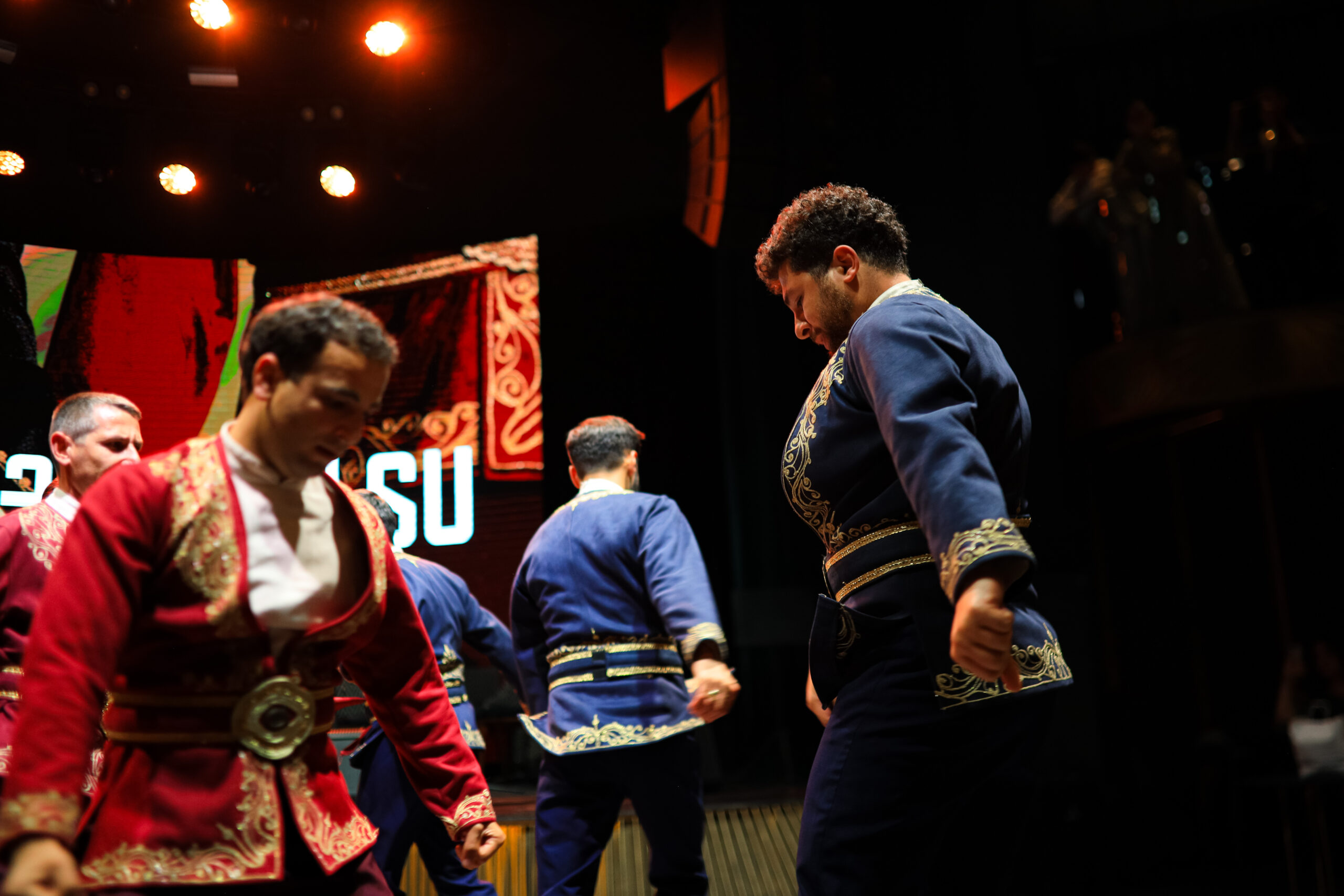
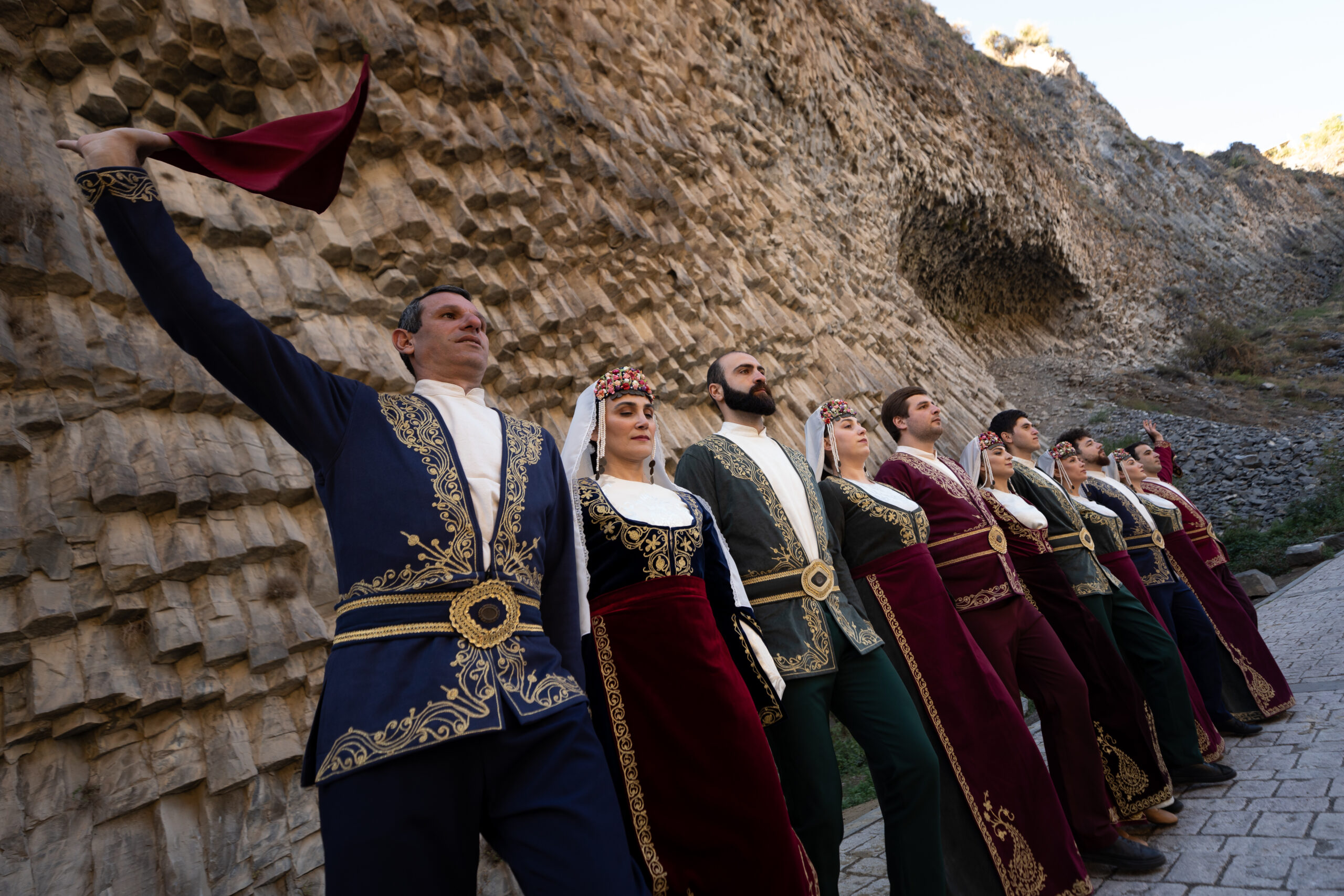
Starting from 2021, the center gained new momentum through its collaboration with the Ayb School, when the “Kakavagir” club was founded within the school’s project-based learning program and was joined by 11th–12th grade students. Under the leadership of Gagik Ginosyan, the club members studied Armenian traditional dances and applied S. Lisitsian’s “kinetography” system in practice. The result of this club’s activity was the publication of “Paragraph” in 2022 under G. Ginosyan’s guidance—a teaching manual of the simplified and improved version of “kinetography,” known as the “kakavagir” method—and the 2023 publication of the research collection “Dance-Based Identity,” which discusses the origins of traditional dances depending on ancient Armenian lifestyle patterns, regional and climatic conditions, using 10 dances from the Kars region as examples. The kakavagir-based notations of those dances are also included in the collection.
As a result of all this, the newly-created popular-science information not only revived and reintroduced into use S. Lisitsian’s valuable system—recording 10 Armenian traditional dance samples after a decades-long pause—but also, in line with the scientific center’s main philosophy, returned this knowledge to the people through two summary lectures titled “Dance Liturgy,” delivered in Yerevan (at the Naregatsi Art Institute) and in Gyumri (at the “October” cinema).
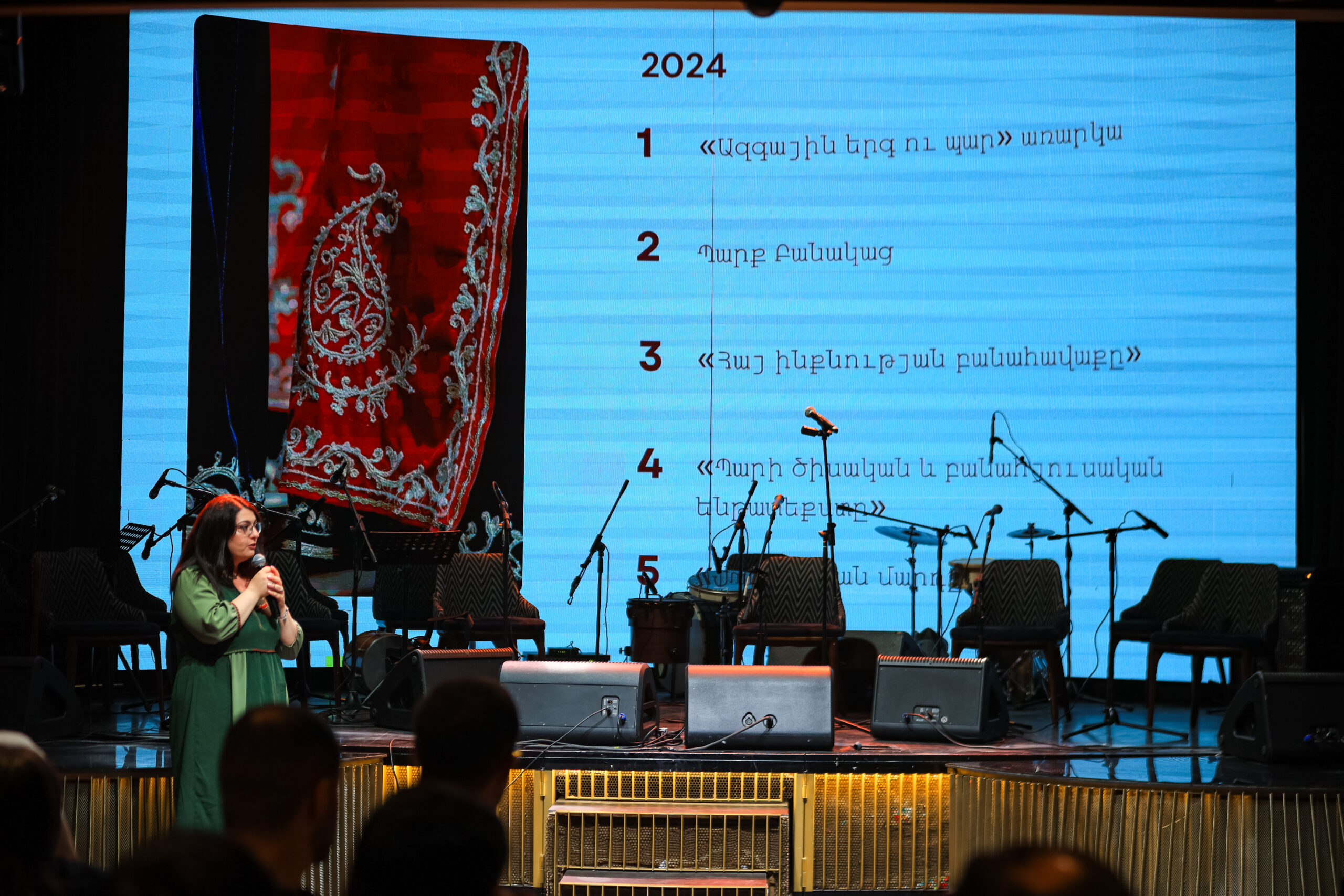
In addition, the Karin Scientific Center, in collaboration with the “National Song and Dance Academy” educational-cultural foundation, undertook the task of developing the school curriculum for the “National Song and Dance” subject introduced in Armenia’s public schools through the foundation’s efforts, updating the existing materials, and creating a methodological guide for the subject’s teachers.
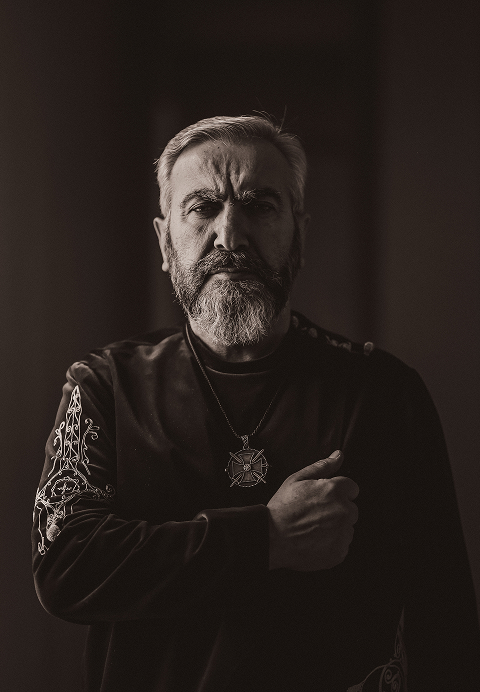
These works were carried out by the members of the scientific center under the leadership of Gagik Ginosyan, co-founder of the educational-cultural foundation.